Operating a business in the food industry comes with many concerns, like food spoilage and contamination. Food spoilage or contamination can affect a business for months, or even years. And it isn’t easy to recover from the reputational and revenue damage after such an event. Even if you aren’t in the food industry, you may still have incidental exposure.
Why product contamination coverage?
Businesses that operate in the food industry understand the need for additional insurance coverage related to food spoilage or contamination. But businesses that only have incidental exposure to food risk may not be aware of that risk. And they might not know that their standard property policy won’t provide adequate coverage.
An employee may unknowingly harbor and transmit a virus to customers during the food preparation process. This is where a food contamination endorsement comes into play.
For example, imagine a small antique shop has a coffee bar and sells homemade pastries. This puts the business at risk of food contamination. Any business that handles food manufacturing, processing, preparation, packaging, delivery or storage is exposed to risk. Bugs, parasites and chemicals can all contaminate food products. Harmful bacteria or viruses can also make their way into food and cause foodborne illness. Food can become contaminated in any state, including during storage and delivery.
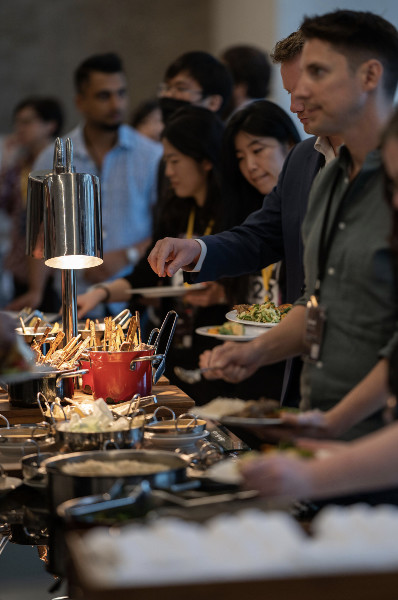 The costs of food contamination are high. They include expenses related to eliminating all potentially contaminated items, shutting down operations and paying for third-party injuries. Companies can also be exposed if they use previously contaminated items in their own food products. And then there are the long-term consequences of exposure. These include loss of consumer trust and lost revenue.
In addition to foodborne illnesses, businesses should safeguard against unexpected food spoilage. This can also result in serious financial loss. Situations that can lead to food spoilage include:
- Prolonged power outages. Power outages outside of your business’s control can result in major financial losses due to compromised food storage conditions. Outages can expose perishable items to unsafe temperatures and humidity levels.
- Equipment breakdowns. A breakdown of a walk-in freezer can be an expensive problem. An insurance policy may require you to have service contracts to ensure the equipment is regularly maintained.
Examining your existing insurance policies for gaps is essential to avoiding unexpected surprises. This will help you determine if you need policy endorsements.
Food contamination endorsements
Many scenarios could present risks, and some of them are outside of your control. For example, imagine an ingredient required to make your product is contaminated before arriving at your facility. Unknowingly, you use the item to manufacture and distribute the product, exposing yourself to illness and loss.
Employees can also be the source of risk. An employee may unknowingly harbor and transmit a virus to customers during the food preparation process. This is where a food contamination endorsement comes into play. It provides additional coverage in cases of food contamination. Coverage may include:
- Expenses associated with cleaning equipment
- Costs to replace contaminated or suspected contaminated food
- Medical tests or vaccinations for exposed employees
- Loss of business income if operations are suspended
- Additional advertising expenses to restore your business’s reputation
There may be monetary limits on the coverage. For example, a policy might have a $10,000 cap with an additional $3,000 in coverage for advertising expenses to repair your reputation. You may be able to purchase higher limits.
However, check the fine print on endorsements. They could feature some exclusions. There may be a recall exclusion or impaired property exclusion on the policy. This would apply to damages claimed for any loss, cost, or expense incurred by others for replacing products withdrawn from use due to defects or deficiencies. For instance, imagine your business sells pies and purchases fresh cherries as an ingredient. The most recent batch of fruit is contaminated. Exclusions to your insurance policy may mean you aren’t covered for the expenses your business incurs to remove the contaminated pies from your shelves and purchase replacement products.
The costs of food contamination are high. They include expenses related to eliminating all potentially contaminated items, shutting down operations and paying for third-party injuries.
Despite exclusions, having a policy that provides coverage above what a traditional policy typically offers does help offset your risk. Additionally, it’s wise to practice preventive measures and establish emergency backup plans to ensure food safety. These include:
- Regularly inspecting refrigerators, freezers and equipment, and servicing your equipment based on the recommended schedule
- Having backup generators available in case of a power loss
- Training employees to ensure they understand how to handle food safely and reduce the risk of transmitting foodborne illnesses
Call us if you need help selecting the best food contamination policy for your situation and understanding exclusions. We can assess your needs and answer any questions you have.


Reliance Insurance supports clients across Canada through a national network of offices and globally through our broker network partners.